Herbs Have Connected People to Nature for Generations
Gardens offer more than fresh vegetables and beautiful flowers.
They also provide herbs that have supported wellness for centuries.
One of those herbs is yarrow.
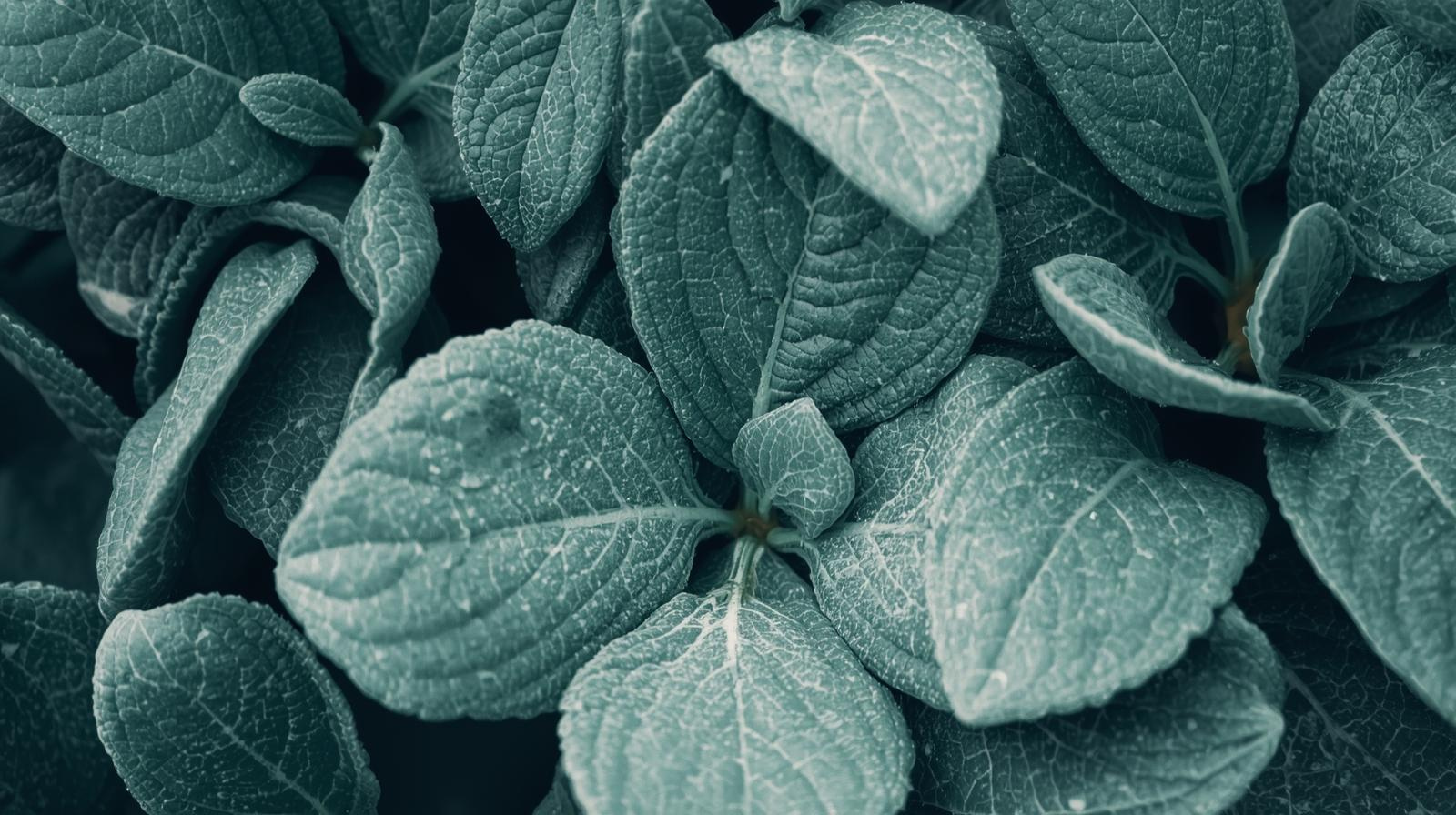
Known for its delicate white flower clusters and fern-like leaves, yarrow has been valued in traditional herbal practices throughout Europe, Asia, and North America.
Today, gardeners continue growing yarrow because it attracts pollinators, adds beauty to the landscape, and has a long history of herbal use.
At Ree’s Life, I enjoy learning about herbs while encouraging safe, informed choices. Understanding how plants have been used throughout history reminds us that nature can be a valuable part of a healthy lifestyle.
Why People Drink Yarrow Tea
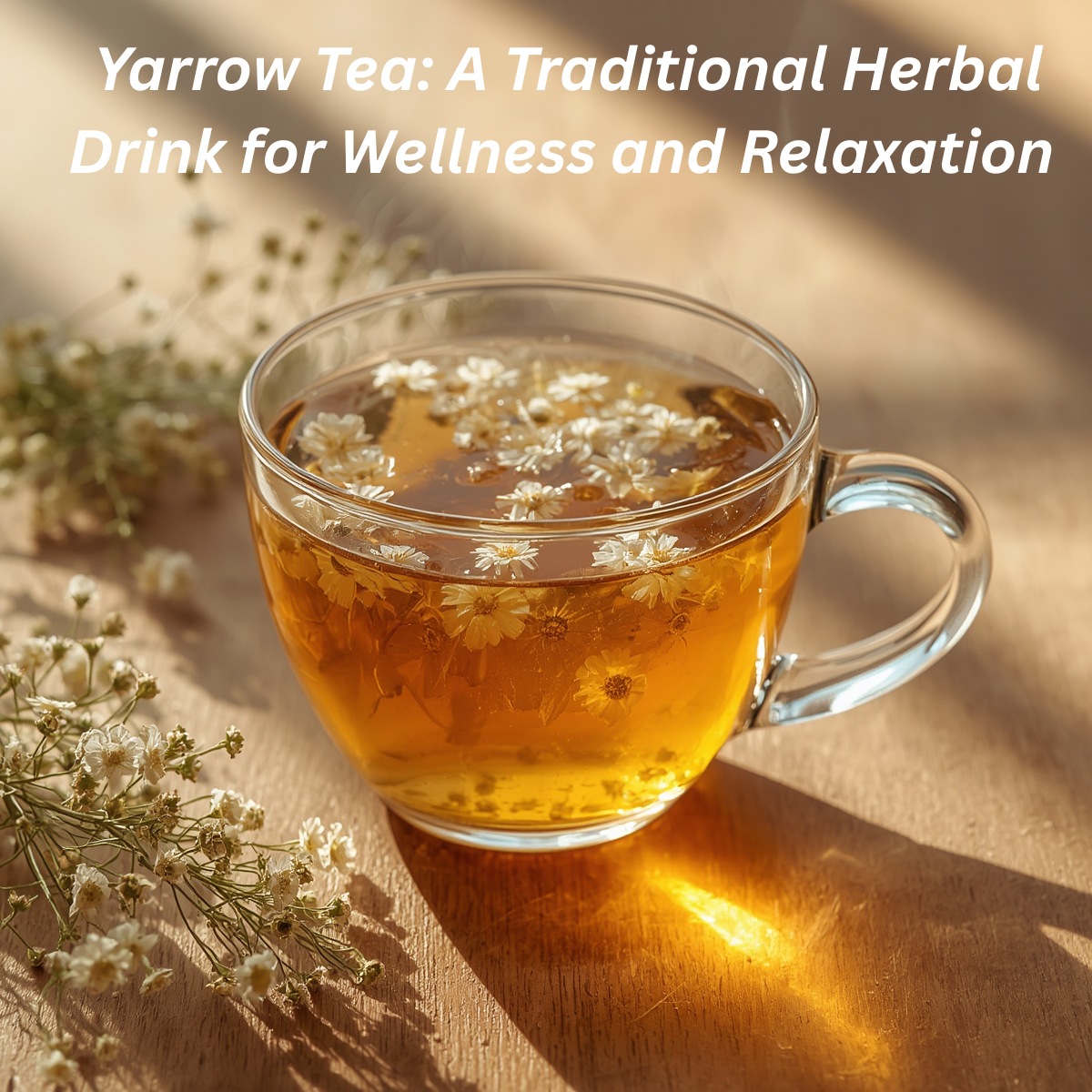
Yarrow tea has been used traditionally to promote general wellness.
Some herbalists recommend it as a warming tea during seasonal changes or to support normal digestion after meals.
Others appreciate it as part of a relaxing evening routine.
Although herbal traditions have existed for centuries, scientific research is still exploring many of Yarrow’s potential benefits.
According to the National Center for Complementary and Integrative Health (NCCIH), herbs should be used thoughtfully and should never replace medical care or prescribed medications.
If you have questions about herbal products, speak with your healthcare provider before adding them to your routine.
How to Prepare Yarrow Tea
Making herbal tea is simple.
Ingredients
• 1 to 2 teaspoons dried yarrow flowers and leaves
• 8 ounces hot water
• Honey (optional)
• Lemon slice (optional)
Directions
Bring fresh water to boil.
Pour the hot water over the dried yarrow.
Allow the tea to steep for 10 to 15 minutes.
Strain the herbs before drinking.
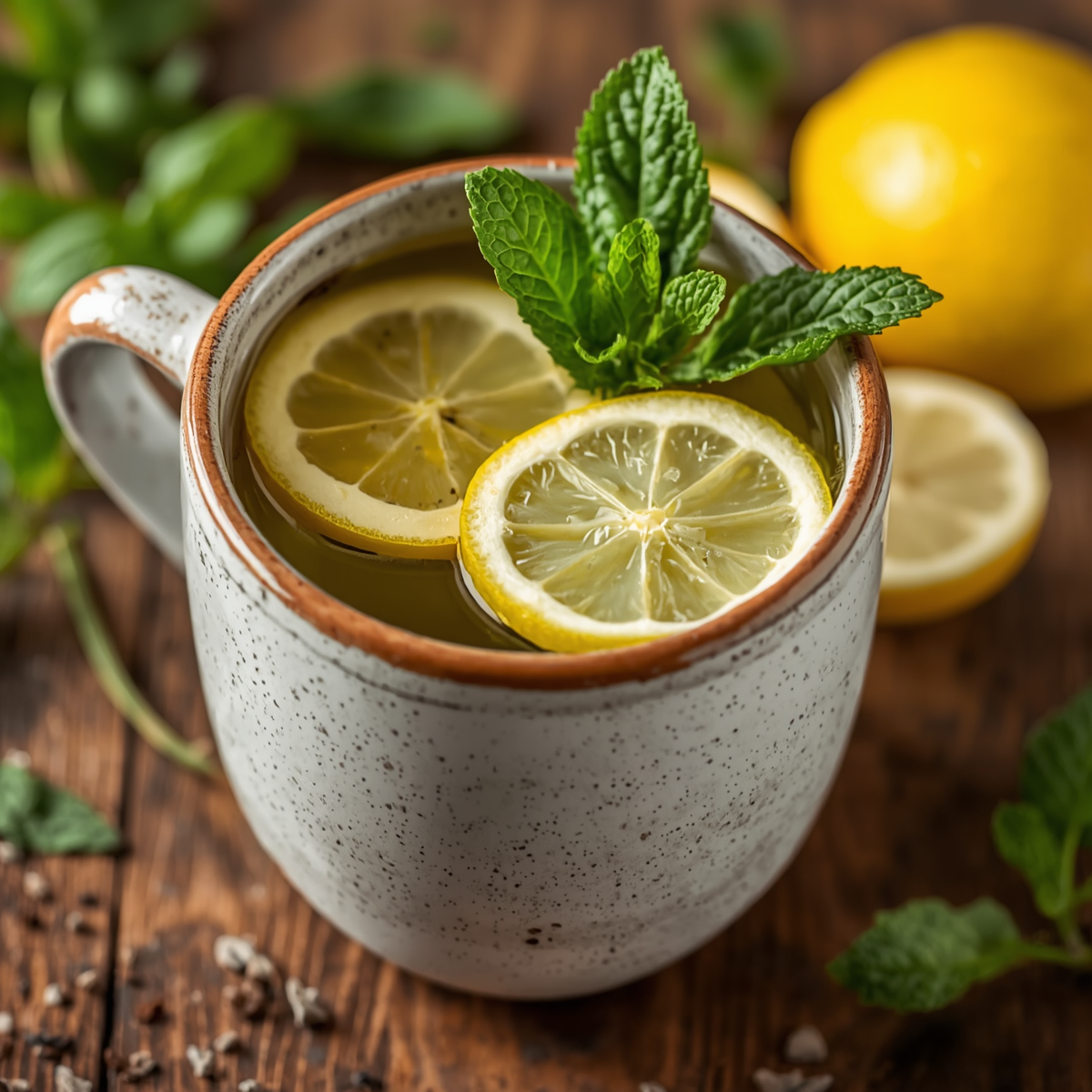
If desired, add a small amount of honey or a slice of fresh lemon for additional flavor.
Enjoy slowly while taking a quiet moment to relax.
Safety Always Comes First
Natural does not always mean safe for everyone.
Yarrow belongs to the daisy family.
People who are allergic to ragweed, daisies, chrysanthemums, or marigolds may also react to yarrows.
In addition, yarrow may interact with certain medications or may not be recommended during pregnancy.
Always talk with your healthcare provider before using herbal teas if you have medical conditions, are pregnant, are breastfeeding, or take prescription medications.
Learning about herbs includes learning how to use them responsibly.
Growing Wellness One Day at a Time
Gardening teaches patience.
Herbs remind us to slow down.
Preparing a warm cup of tea creates an opportunity to pause and appreciate God’s creation.
Even simple wellness habits can help us become more intentional about caring for our minds, bodies, and spirits.
Healthy living rarely depends on one big decision.
Instead, it grows through small choices that we make consistently.
Final Thoughts
This week’s featured herb reminds us that wellness begins with learning.
Growing herbs, preparing homemade teas, and spending time outdoors can become meaningful parts of a balanced lifestyle.
As America celebrates its 250th anniversary, we can also celebrate the simple traditions that connect families, gardens, and healthy living across generations.
May every cup of tea remind you to slow down, give thanks, and enjoy the blessings God has placed around you.
Helpful Resources
National Center for Complementary and Integrative Health
MedlinePlus – Herbal Medicine