Gardening Can Support Mental Wellness
Work responsibilities can create pressure.
Deadlines require attention. Family obligations demand energy. Meanwhile, daily challenges often compete for our focus.
Because of these realities, finding healthy ways to relax becomes important.
Gardening offers one solution.
Fresh air encourages movement. Plants create peaceful surroundings. In addition, gardening gives people an opportunity to slow down and focus on something positive.
As a result, gardening can become a valuable part of a healthy wellness routine.
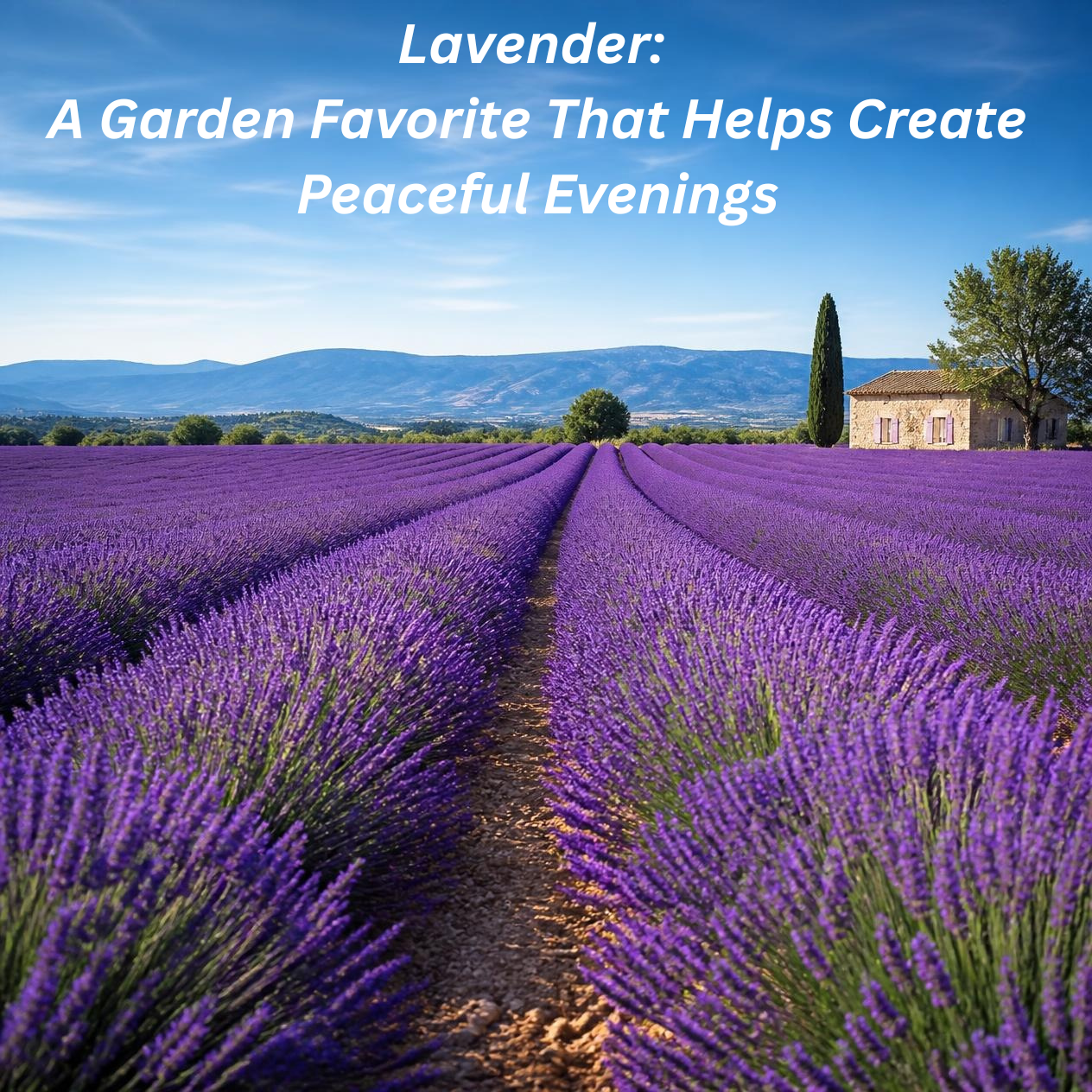
This week, we are focusing on lavender, one of the most popular herbs for relaxation.
Lavender Is Easy to Grow
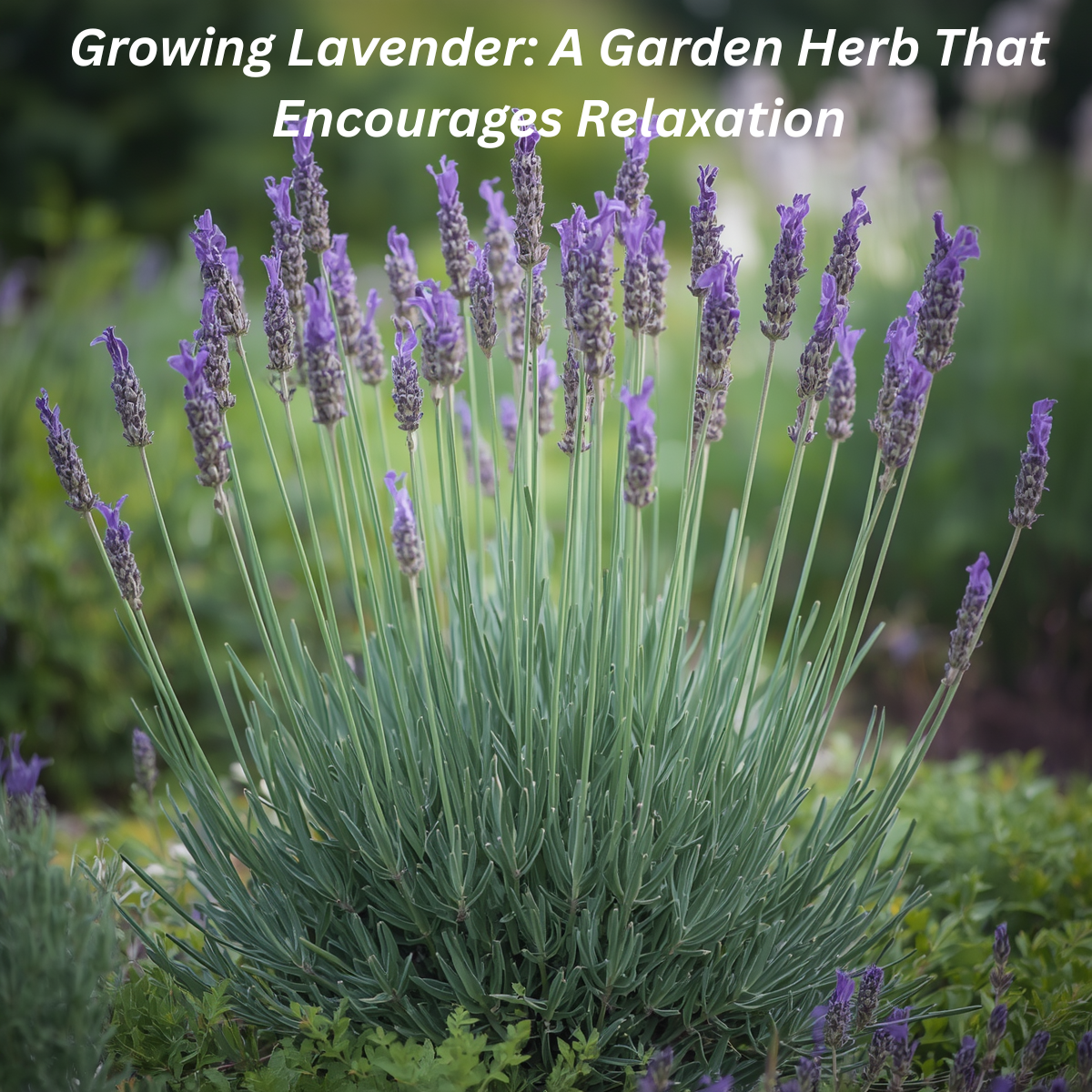
Lavender adds beauty, fragrance, and versatility to any garden.
Fortunately, this herb grows well in containers, raised beds, and traditional garden spaces.
For best results, plant lavender in well-drained soil and provide sunlight.
Furthermore, lavender prefers drier conditions.
Regular pruning encourages healthy growth. Consequently, gardeners can enjoy lavender for years with proper care.
Because the plant attracts pollinators, lavender also supports a healthy garden environment.
Traditional Uses of Lavender
For generations, people have used lavender in wellness routines.
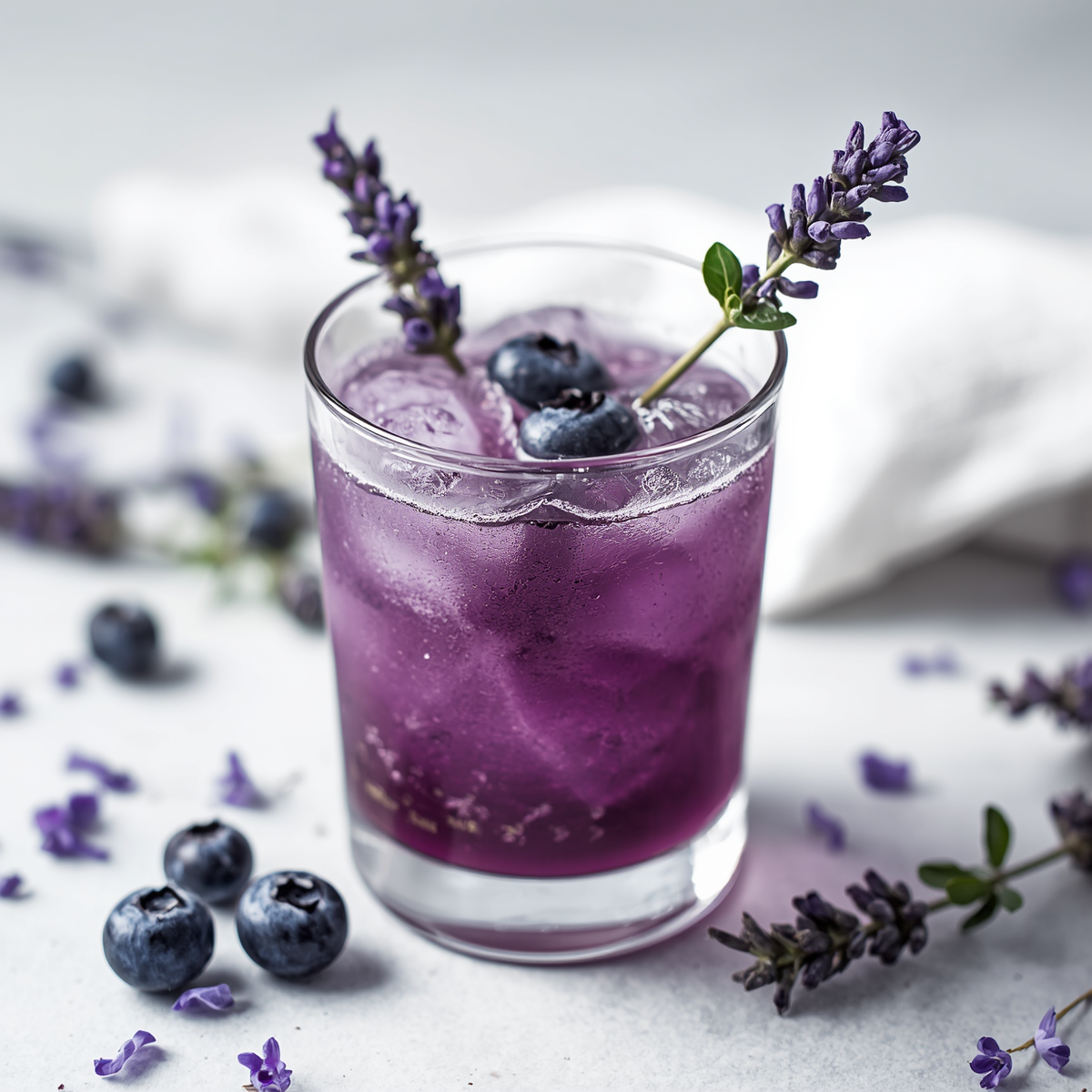
Traditionally, lavender has been associated with relaxation and calm environments. Therefore, people often include it in teas, sachets, bath products, and aromatherapy practices.
Likewise, lavender is still a popular ingredient in wellness products designed to encourage restful routines.
According to the National Center for Complementary and Integrative Health, researchers continue to study lavender and its potential role in promoting relaxation and supporting sleep quality.
Learn more here:
Although lavender is still popular, herbs should complement healthy habits rather than replace professional medical advice.
Vegetables That Support Brain and Mental Wellness
Healthy living extends beyond herbs.
Nutrition also plays a key role in supporting overall wellness.
For example, spinach has folate and antioxidants that support overall health.
Similarly, broccoli provides nutrients that contribute to a balanced diet.
In addition, bell peppers have vitamin C, which supports normal body functions and overall wellness.
According to Harvard’s Nutrition Source, diets rich in vegetables contribute to long-term health and wellness.
Learn more here:
Consequently, combining herbs and nutritious vegetables can help support healthy lifestyle habits.
Ways to Use Lavender
Lavender offers practical uses.
Consider these ideas:
• Lavender tea
• Sachets for drawers and closets
• Dried flower arrangements
• Aromatherapy projects
• Relaxation routines
• Garden borders
Because lavender is versatile, it works well in both wellness and gardening projects.
Final Thoughts
This week’s message is simple.
Be available to relax.
Spend time outdoors.
Grow herbs that encourage healthy routines.
Eat nutritious vegetables.
Most importantly, remember that wellness involves caring for the whole person.
Small actions practiced consistently can support your mind, body, and soul throughout every season of life.