American Gardens Tell a Story
Gardens have always provided more than food.
For generations, families have grown herbs and vegetables to support everyday living. Likewise, Indigenous communities understood the value of native plants long before the United States became a nation.
As America celebrates its 250th anniversary, looking back reminds us that nature has always played an important role in daily life.
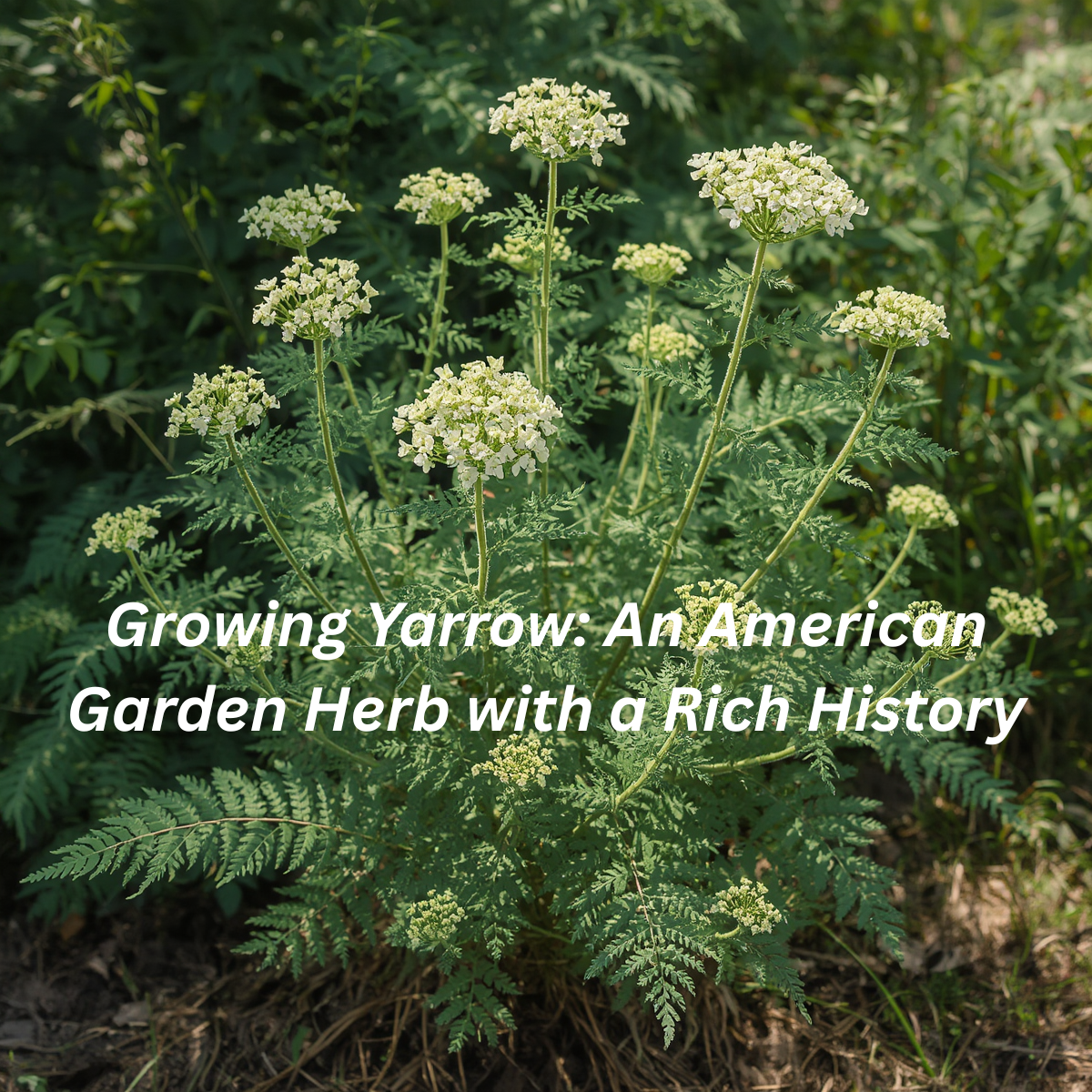
Yarrow is one of those remarkable plants.
Not only does it produce beautiful clusters of flowers, but it also has a long history of traditional use throughout North America.
Consequently, yarrow continues to be a favorite among gardeners today.
Growing Yarrow Is Easy
Yarrow is a hardy perennial that grows well in most gardens.
Because it prefers full sunlight and well-drained soil, gardeners often plant it in flower beds, pollinator gardens, and borders.
Once established, Yarrow needs very little maintenance.
Furthermore, the plant attracts butterflies and beneficial pollinators.
Regular pruning encourages more bloom throughout the growing season.
As a result, yarrow provides beauty while supporting a healthy garden ecosystem.
A Long History of Traditional Use
For centuries, Indigenous peoples and early settlers valued yarrow for its traditional herbal uses.
Historically, people prepared yarrow as teas, compresses, and herbal preparations. In addition, communities appreciated the plant for its versatility and availability.
Today, researchers continue studying yarrow and other medicinal plants to better understand their traditional uses and natural compounds.
According to the National Center for Complementary and Integrative Health, herbs continue to be an important area of scientific research. Although traditional uses have historical significance, more research is needed to understand their effectiveness fully.
Learn more:
Therefore, herbs should complement a healthy lifestyle rather than replace professional medical care.
Vegetables That Have Nourished America
America’s history also includes vegetables that continue to nourish families today.
Corn became an important crop for Indigenous communities and early settlers.
Beans provided protein and essential nutrients.
Squash completed what is often called the “Three Sisters” planting method.
Together, these crops supported healthy harvests while improving soil conditions.
According to the Smithsonian’s National Museum of the American Indian, the Three Sisters gardening method reflects centuries of agricultural knowledge passed from one generation to another.
Learn more:
Even today, home gardeners continue growing these vegetables because they are still productive and nutritious.
Gardening Encourages Wellness
Gardening offers benefits that extend beyond the harvest.
Working outdoors encourages movement.
Fresh air supports relaxation.
Watching plants grow reminds us that progress often takes time.
Meanwhile, caring for a garden teaches patience, consistency, and hope.
Consequently, gardening supports both physical and emotional wellness.
Those same qualities helped earlier generations overcome difficult seasons.
Likewise, they continue helping families build healthier lives today.
Final Thoughts
This week’s message is simple.
Learn from the past.
Grow something meaningful.
Spend time outdoors.
Care for your health.
Most importantly, remember that every seed planted today is hope for tomorrow.
For 250 years, generations have faced challenges with courage and hope.
May we continue that legacy through faith, wellness, and peaceful living.