Back-to-school season gives families a fresh opportunity to improve eating habits. Children need nutritious foods to support growing bodies, active days, and busy school schedules. However, getting children excited about vegetables can take patience.
One solution may be closer than we think: the garden.
Last week, I started growing lettuce. Therefore, this week I want to continue that journey by talking about how gardening can help families make healthier food choices.
Let Children Participate
Children often become more interested in food when they take part in preparing it. For example, they can help plant seeds, water vegetables, wash produce, or assemble a salad.
Gardening also creates opportunities to talk about where food comes from. Instead of lettuce simply appearing inside a grocery store bag, children can watch tiny seeds develop into food they can eventually eat.
Additionally, you do not need a large garden. Lettuce can grow in containers, raised beds, or traditional gardens.
Build a Healthier Lunchbox
A healthy lunch does not have to be complicated.
Start with foods your child already enjoys. Then, gradually introduce new vegetables alongside familiar choices.
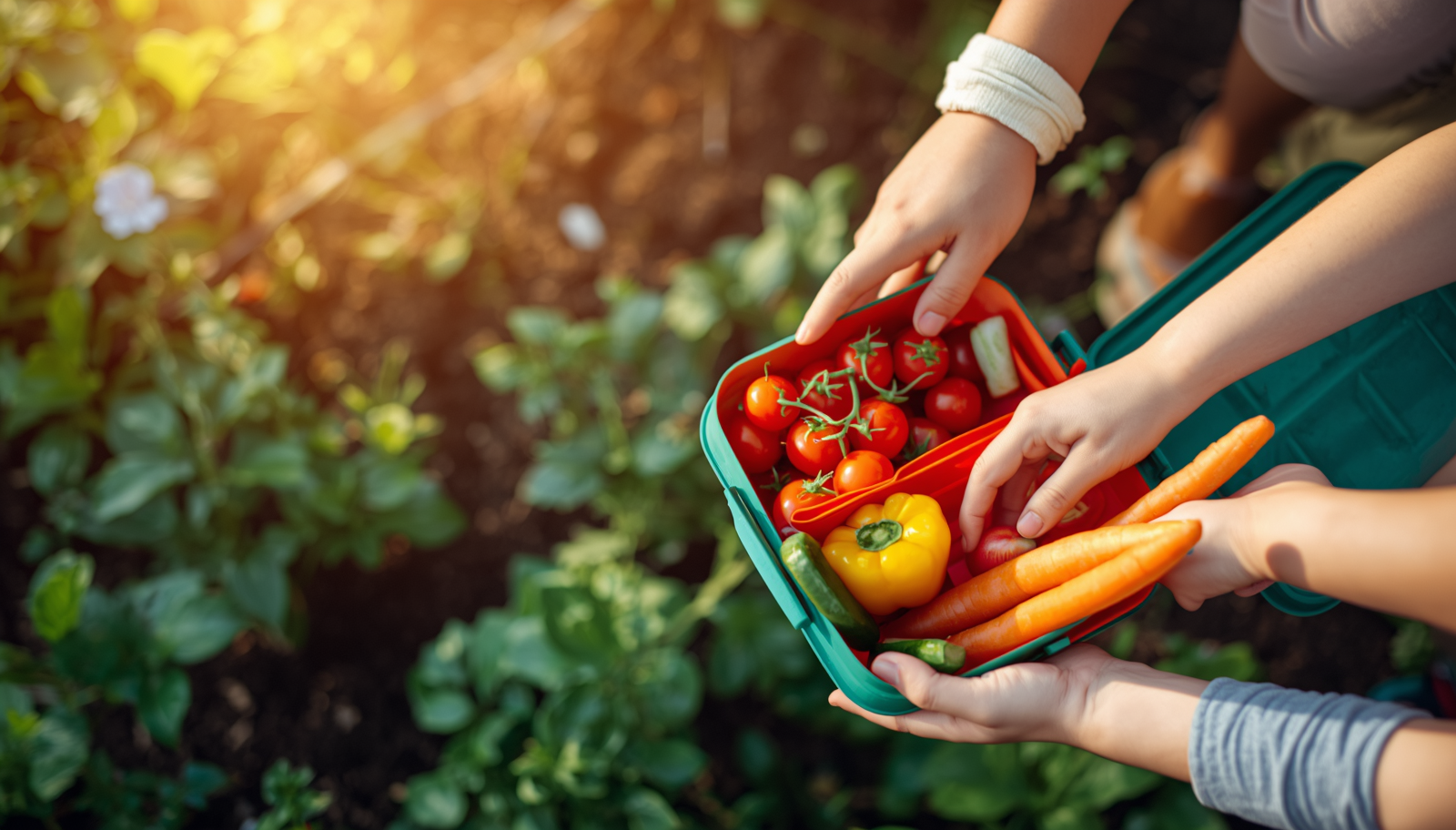
For example, add lettuce to a turkey sandwich or wrap. Cucumber slices can provide crunch. Meanwhile, carrots, cherry tomatoes, or sliced peppers can add color.
Children can also help prepare their lunch the night before. As a result, mornings may become less stressful while children gain experience making healthy choices.
Make Healthy Food Easy to Grab
Convenience matters during a busy school week.
After grocery shopping, wash and prepare produce when proper. Next, place ready-to-eat options where family members can easily see them.
Likewise, keeping nutritious snacks within reach may make healthier choices easier.
Continuing Growing Lettuce
Lettuce prefers cooler growing conditions. Therefore, late summer can be a good time to begin planning a fall crop, depending on your local climate.
Consistent watering is important because lettuce has shallow roots. Additionally, gardeners can harvest individual outer leaves while allowing smaller leaves to continue growing.
That harvesting method may provide more than one harvest from the same plant.
Healthy Habits Grow Over Time
Children do not need a perfect diet to begin developing healthier habits. Instead, families can focus on progress.
Try one new vegetable. Prepare one healthier lunch. Plant one container of lettuce. Furthermore, invite children into the process rather than turning healthy eating into a battle.
Small choices can eventually become familiar routines.
This week, consider letting your children or grandchildren help prepare one healthy meal. Ask them to choose a vegetable, wash it, and decide how the family will use it.
Healthy bodies grow through consistent care. Likewise, healthy eating habits can grow one bite, one meal, and one garden seed at a time.
References
U.S. Department of Agriculture – MyPlate: Healthy Eating for Kids
https://www.myplate.gov
University of Minnesota Extension – Growing Lettuce, Endive and Radicchio in Home Gardens
https://extension.umn.edu/vegetables/growing-lettuce-endive-and-radicchio
University of Minnesota Extension – Growing Cool-Season Crops
https://extension.umn.edu/planting-and-growing-guides/non-pest-issues-cool-season-crops