Healthy Communities Begin with Healthy Gardens
As America celebrates its 250th anniversary, we have an opportunity to appreciate the people, traditions, and natural resources that have helped shape our nation.
One of those treasures grows quietly in gardens across America.
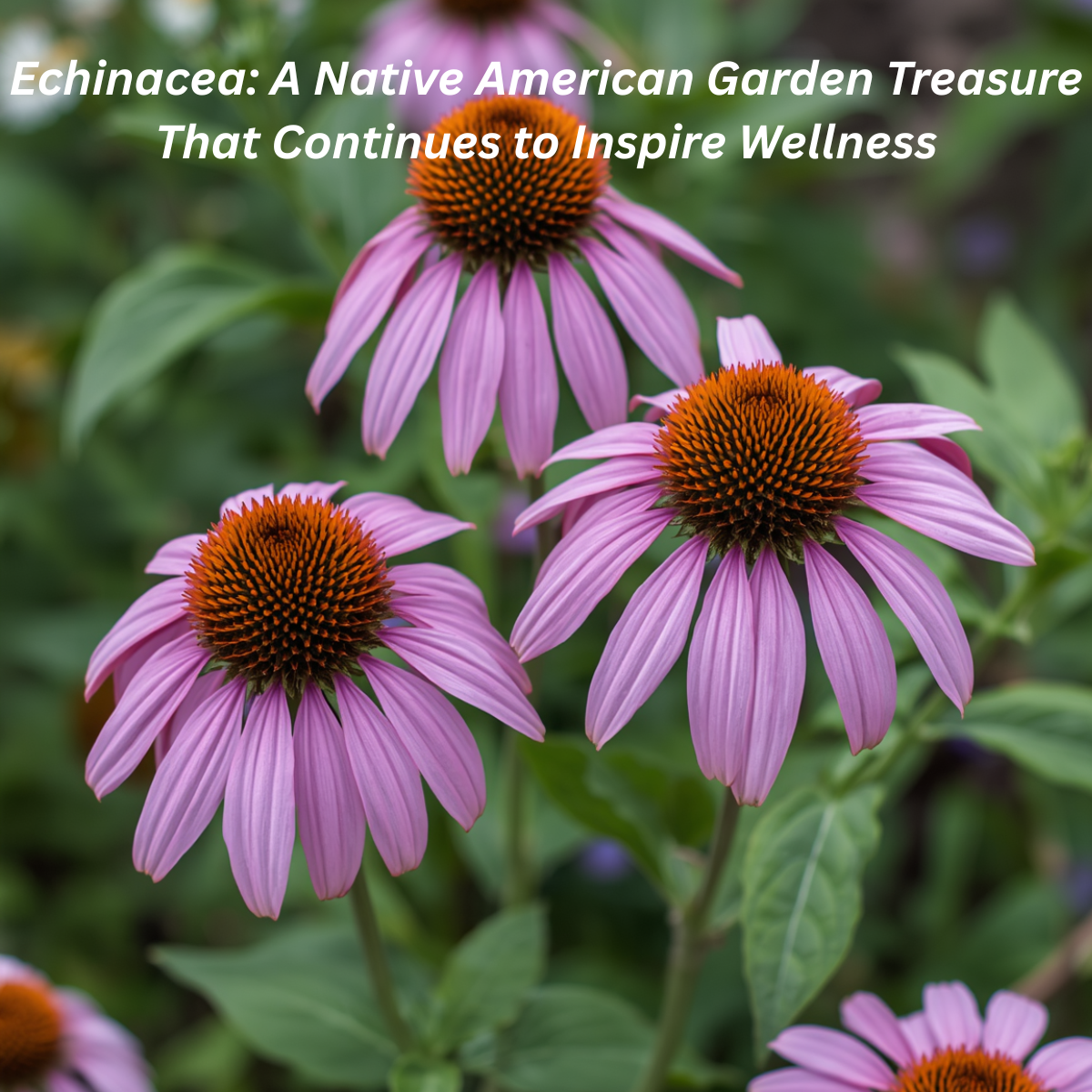
Echinacea, also known as the Purple Coneflower, is native to North America. Long before modern medicine, Native American communities recognized this beautiful flowering plant and used it as part of their traditional wellness practices.
Today, gardeners continue planting echinacea because it is beautiful, hardy, and beneficial for pollinators.
Growing native plants also reminds us that caring for the land is one way we care for future generations.
Why Gardeners Love Echinacea
Echinacea is one of the easiest perennial flowers to grow.
Once rooted, it returns year after year with colorful blooms that attract bees, butterflies, and other beneficial pollinators.
In addition, its long blooming season adds beauty to flower beds throughout the summer.
Healthy gardens depend on pollinators.
Likewise, healthy communities depend on people who care for the environment and one another.
Small choices often produce lasting results.
How to Grow Echinacea
Fortunately, echinacea is well suited for home gardens.
It grows best in full sun and prefers well-drained soil.
After planting, water regularly until the roots become established.
Once mature, echinacea tolerates periods of dry weather better than flowering plants.
Removing faded blooms encourages added flowers throughout the season.
Leaving seed heads in place during autumn also provides food for birds.
As a result, one plant supports wildlife long after summer ends.
Traditional Wellness Uses
For generations, echinacea has been used in traditional herbal practices.
People enjoy echinacea teas and herbal preparations during seasonal changes.
Although researchers continue studying the herb, evidence suggests echinacea may support normal immune function in certain situations.
However, research findings remain mixed.
Therefore, echinacea should not replace medical care or prescribed treatments.
Always speak with your healthcare provider before using herbal supplements, especially if you have allergies, autoimmune conditions, are pregnant, or take prescription medications.
Learning how to use herbs responsibly is just as important as learning how to grow them.
Growing a Legacy of Wellness
America’s 250th anniversary reminds us that strong communities are built one generation at a time.
Likewise, healthy habits develop one choice at a time.
Planting a garden teaches patience.
Caring for flowers teaches responsibility.
Watching pollinators thrive reminds us that every living thing has a purpose.
Even a single echinacea plant can contribute to a healthier garden and a healthier environment.
Final Thoughts
The Purple Coneflower is more than a beautiful flower.
It stands for resilience, renewal, and the importance of caring for God’s creation.
As we celebrate 250 years of America’s history, consider planting something that will continue growing for years to come.
Healthy gardens help create healthier communities.
Likewise, healthy people help build a stronger nation.
May this week’s garden encourage you to grow in faith, wellness, and peaceful living while appreciating the natural beauty God has placed around us.
Helpful Resources
USDA Plants Database
National Center for Complementary and Integrative Health