Fresh vegetables are an important part of a healthy lifestyle. This week, I decided to start growing my own lettuce. Gardening helps me slow down, enjoy God’s creation, and provide fresh food for my family. Even better, it is an easy project that children can enjoy too.
Why Grow Lettuce at Home?
Lettuce is one of the easiest vegetables to grow. It grows well in garden beds, raised beds, and containers. Therefore, you do not need a large yard to get started.
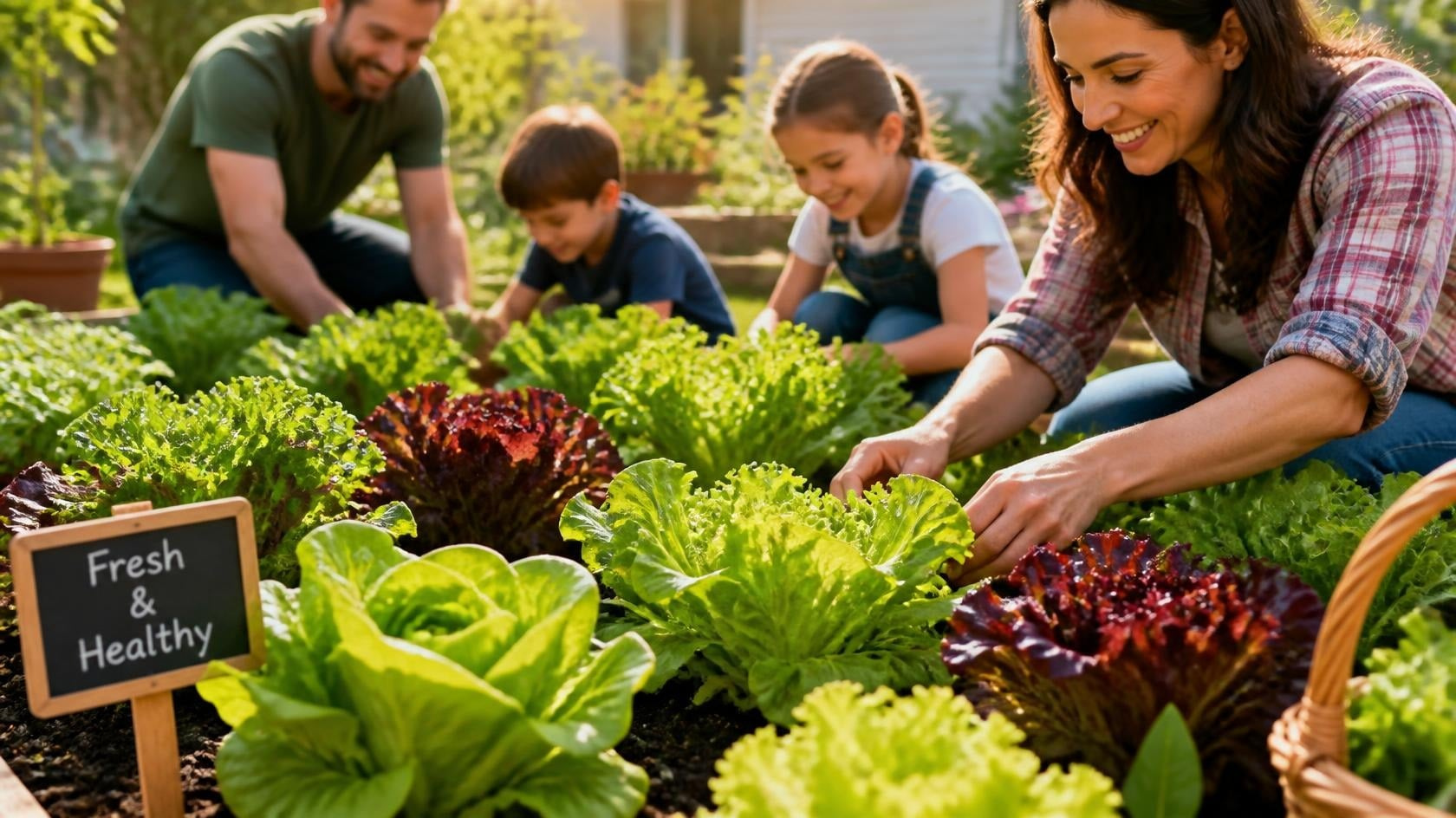
Children become excited when they watch seeds sprout into plants. As a result, they are often more willing to taste vegetables they help grow. Gardening also teaches patience, responsibility, and appreciation for healthy food.
Helping Children Eat More Vegetables
Healthy eating habits begin at home. Instead of asking children to eat vegetables they have never seen before, invite them into the gardening process.
Here are simple ways to encourage healthy eating:
Let Them Plant the Seeds
Children enjoy digging small holes and planting seeds. This simple activity gives them a sense of ownership.
Water the Garden Together
Checking the garden each day creates excitement as plants begin to grow.
Harvest as a Family
Fresh lettuce can be picked just before lunch or dinner. That makes salads and sandwiches taste even better.
Create Colorful Meals
Add tomatoes, cucumbers, carrots, and other colorful vegetables to make healthy meals fun and inviting.
Food Safety Is Also Important
Recent food recalls remind us that food safety matters. During the summer of 2026, health officials investigated illnesses linked to recalled iceberg lettuce products contaminated with Cyclospora. Although recalls can sound concerning, they also show why it is important to stay informed, wash fresh produce thoroughly, and follow food safety recommendations.
Growing vegetables at home gives families another way to enjoy fresh produce while knowing how it was grown and cared for.
Tips for Growing Lettuce
Lettuce grows best when the weather is cool.
Keep these tips in mind:
- Plant in well-drained soil.
- Water consistently.
- Give plants morning sunlight when possible.
- Harvest the outer leaves first so the plant continues producing.
- Plant new seeds every couple of weeks for a longer harvest season.
Before long, you can enjoy fresh lettuce right from your own garden.
A Faith Perspective
Gardening reminds me that healthy habits grow one day at a time. Seeds need water, sunlight, and patience. Likewise, our minds, bodies, and spirits grow stronger through daily healthy choices.
Galatians 6:9 encourages us:
“Let us not become weary in doing good, for at the proper time we will reap a harvest if we do not give up.”
Every healthy choice is another seed planted for the future. Whether you are growing lettuce, preparing healthier meals, or encouraging your family to eat more vegetables, each small step moves you toward better health.
Final Thoughts
This week, I invite you to plant something. It may be lettuce, herbs, or another favorite vegetable. You might discover that growing your own food also grows gratitude, healthier habits, and lasting memories with the people you love.
References
Centers for Disease Control and Prevention (CDC) – Current Foodborne Outbreaks
https://www.cdc.gov/foodborne-outbreaks/outbreaks/
U.S. Department of Agriculture (USDA) – Vegetable Gardening Resources
https://www.nal.usda.gov/plant-production-gardening/vegetable-gardening
USDA SNAP-Ed – Lettuce Nutrition and Healthy Recipes
https://snaped.fns.usda.gov/resources/nutrition-education-materials/seasonal-produce-guide/lettuce
University of Maryland Extension – Growing Lettuce in a Home Garden
https://extension.umd.edu/resource/growing-lettuce-home-garden
University of California Integrated Pest Management – Cultural Tips for Growing Lettuce
https://ipm.ucanr.edu/home-and-landscape/cultural-tips-for-growing-lettuce/