A Garden Can Nourish Both Body and Spirit
Gardens have always brought people together.
For generations, families have grown vegetables, herbs, and flowers that added beauty to their homes while providing fresh ingredients for the table.
As America celebrates its 250th anniversary, home gardens remind us of the traditions that have connected neighbors, strengthened communities, and encouraged healthier living.
This week’s featured herb is echinacea, also known as the Purple Coneflower.
After learning how to grow this remarkable plant on Tuesday, let us enjoy one straightforward way to use it.
Meet This Week’s Ree’s Herbal Booster
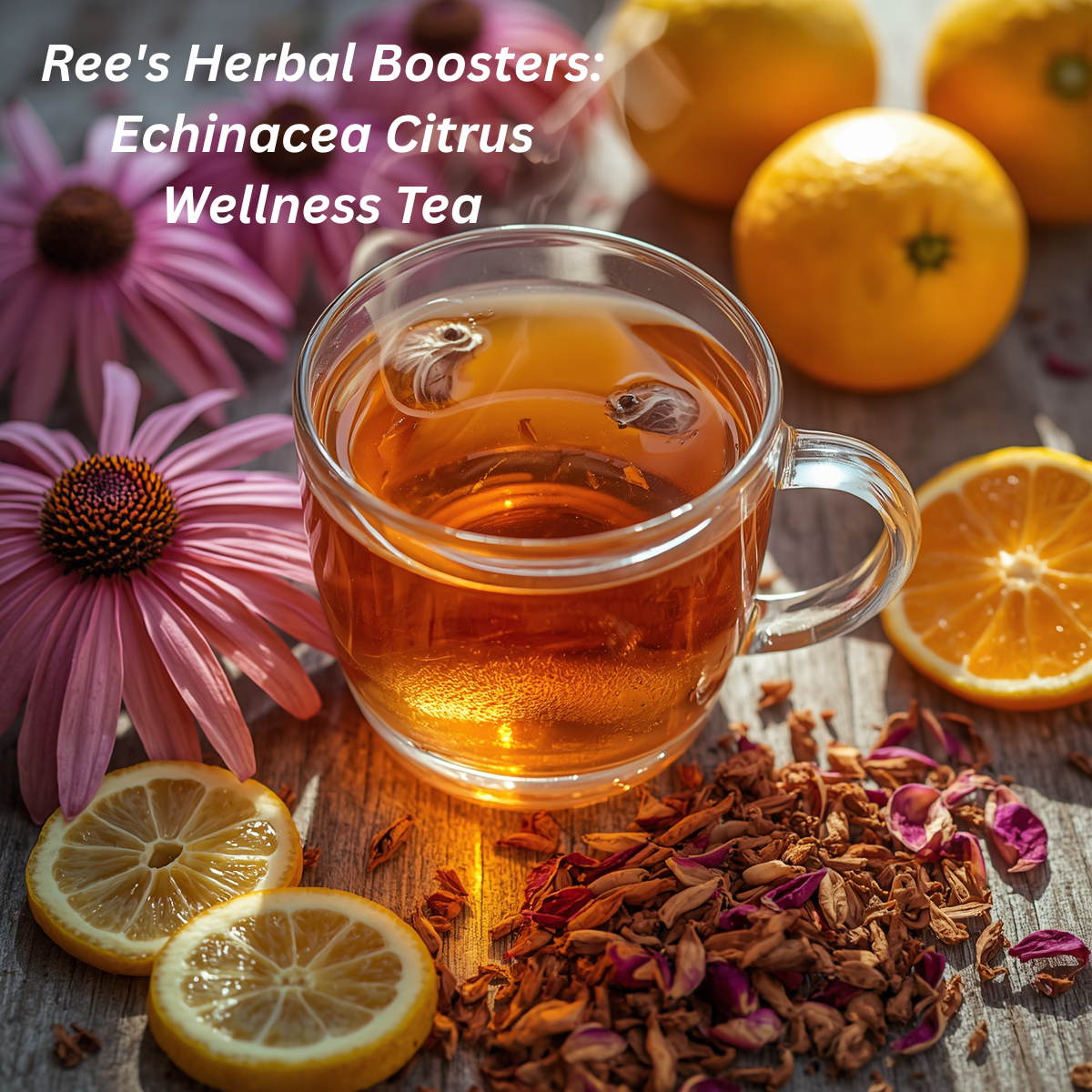
This week’s booster is a warm **Echinacea Citrus Wellness Tea**.
It combines dried echinacea with lemon and honey to create a comforting beverage that is perfect for quiet moments of reflection.
Although people enjoy herbal teas as part of a healthy lifestyle, herbal drinks should complement—not replace—good nutrition, regular exercise, quality sleep, and professional medical care.
Wellness grows through healthy daily habits practiced consistently.
Ingredients
• One teaspoon dried echinacea flowers or leaves
• Eight ounces hot water
• One teaspoon honey (optional)
• One fresh lemon slice
Directions
Bring fresh water to a gentle boil.
Next, pour the hot water over the dried echinacea.
Allow the tea to steep for 10 to 15 minutes.
Afterward, strain the herbs.
Then add honey and a slice of fresh lemon if desired.
Finally, enjoy slowly while taking time to relax and appreciate God’s creation.
Wellness Spotlight
Echinacea has a long history of traditional use among Native American communities.
Today, researchers continue studying the herb to better understand its potential wellness benefits.
According to the National Center for Complementary and Integrative Health, research on echinacea has produced mixed results, and no herbal product should replace medical treatment or professional healthcare advice.
Instead, think of herbal teas as one small part of an overall healthy lifestyle.
Balanced meals, regular movement, adequate sleep, stress management, and faith all work together to support wellness.
Garden Tip of the Week
Echinacea is one of the easiest perennial flowers to grow.
Plant it in a sunny location with well-drained soil.
Once established, it returns year after year while attracting butterflies, bees, and other beneficial pollinators.
Leaving flowers on the plant during autumn also provides seeds for birds throughout the colder months.
Consequently, one plant continues supporting wildlife long after the growing season ends.
Safety Reminder
Herbal teas are not appropriate for everyone.
People who have allergies to plants in the daisy family should use caution with echinacea.
Likewise, individuals who are pregnant, breastfeeding, have autoimmune conditions, or take prescription medications should speak with their healthcare provider before using herbal products.
Making informed choices is an important part of healthy living.
Final Thoughts
One cup of herbal tea may seem like a small thing.
Nevertheless, simple habits often become meaningful traditions.
As America celebrates 250 years of history, let us also celebrate the timeless practices that encourage healthier lives and stronger communities.
Plant something that grows.
Prepare something nourishing.
Share it with someone you love.
Thank God for the blessings found in His creation.
Helpful Resources
National Center for Complementary and Integrative Health
https://www.nccih.nih.gov/health/echinacea
USDA Plants Database